
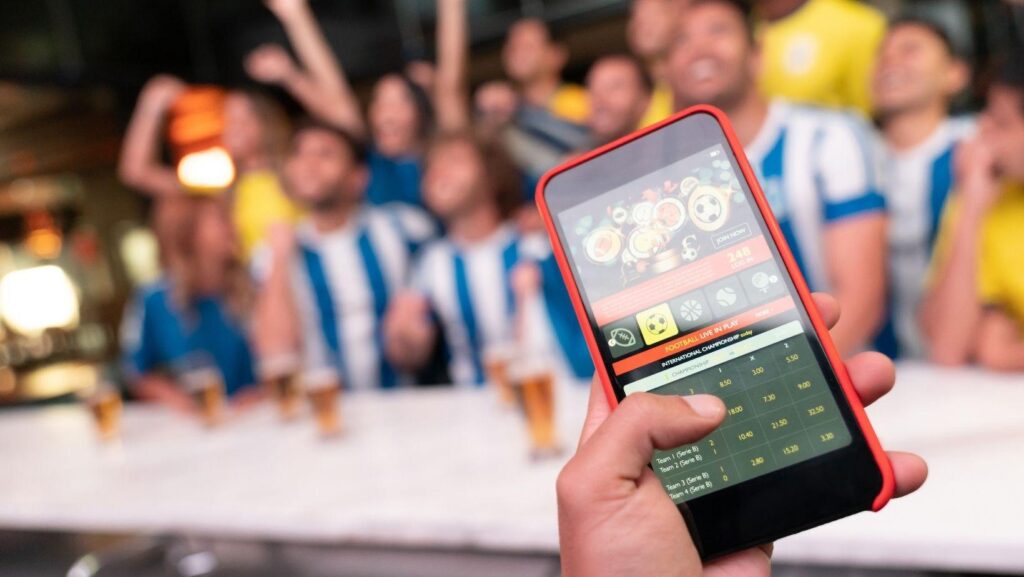
Online betting used to be talked about mostly in sporting terms. Who is in form, who is injured, who has the better matchup. That still matters, of course. But the online version of betting is just as much a software story now. The difference between a good betting platform and a weak one often comes down to things users barely notice when they work properly: speed, stability, clean data, and how quickly the app reacts when the match changes. That makes online betting a much more technical product than it first appears.
The odds are only one layer
Most users see the odds and think that is the product. It is not. Behind every price there is data moving constantly. Scores, events, injuries, substitutions, pressure, time remaining, market activity. A platform has to take all of that, update the market, and show it to the user without making the screen feel messy. That is harder than it looks. If the odds move too slowly, the platform feels behind. If they move too much, it feels jumpy. The best systems make constant change feel almost boring. That is usually a sign the software is doing its job.
Live betting raised the standard
Pre-match betway betting is easier to manage. The event has not started yet, so the product can be slower and still feel fine. Live betting is different. Once the match is moving, everything becomes more sensitive. A goal, red card, timeout, injury, or break of serve can change the whole market in seconds. The platform has to suspend markets, reprice them, reopen them, and keep the user informed without breaking the flow. That is where weaker systems show themselves. The user may not understand the technical side, but they know when something feels delayed or awkward.
The app has to feel calm under pressure
One of the strange things about betting software is that it has to handle chaos while looking simple. A live match can produce constant movement, but the app cannot feel chaotic. The user still needs clear buttons, readable markets, and a bet slip that does not feel fragile. That balance is what separates strong betting apps from average ones. Good software does not only process information quickly. It presents it in a way that feels controlled.
Payments are part of the product too
Online betting is not only about markets and matches. Deposits, withdrawals, account checks, and wallet tools all shape the experience. If that part feels slow or confusing, trust drops quickly. A platform can have strong odds and still feel weak if moving money feels awkward. That is why payment design matters so much. It has to be clear, fast, and secure without adding too much friction. For users, it is all one product. The sportsbook, the app, the wallet, the account page, the withdrawal screen. If one part feels off, the whole brand feels weaker.
Why technology decides loyalty
Most betting platforms offer similar sports and similar markets. The difference is often how the product behaves during use. Does it load quickly. Does it update clearly. Does the bet slip respond properly. Are live markets easy to follow. Can the user move from football to tennis to basketball without feeling lost. Those details decide whether people come back. In that sense, online betting has become a software competition as much as a betting competition. The platforms that win are not always the ones shouting loudest. They are the ones that make a complicated system feel simple in the user’s hand.