
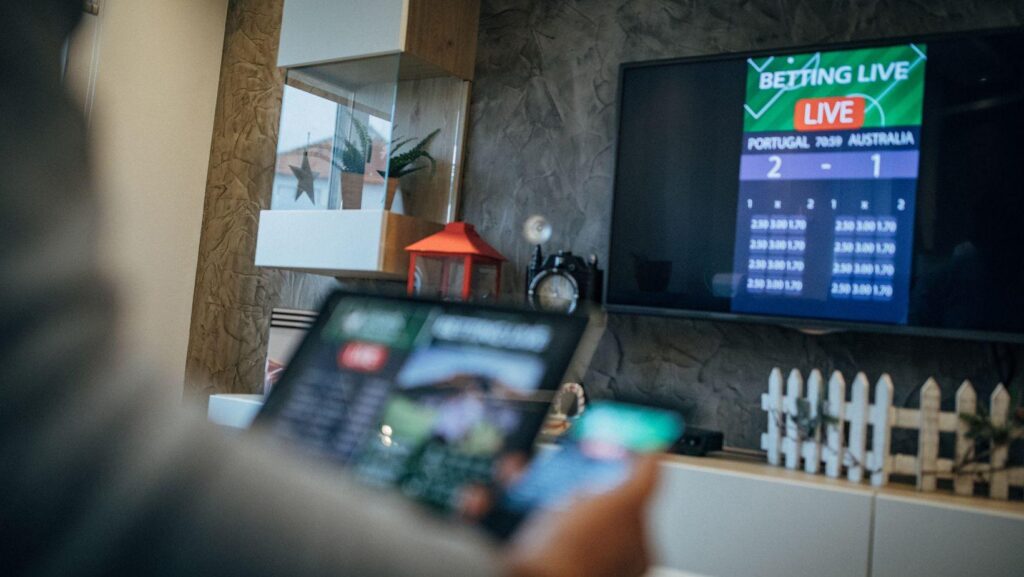
Live sports betting feels simple when everything works properly. A match is moving, the odds update, the bet slip reacts, and the user can follow the action without thinking too much about the platform itself. That smooth feeling is not accidental. It comes from software doing a lot of quiet work behind the screen.
In online sports betting, timing matters. A goal, red card, injury, timeout, corner or late substitution can change a market in seconds. The software has to receive that information, update the odds, check whether the market is still open, and keep the user interface calm enough to understand.
For anyone betting online, this is where the quality of the platform starts to show. Sports betting platforms are not only presenting markets; they are handling live data, account checks, bet confirmations and page updates while the match is still moving.
Live Data Has to Reach the Screen Fast
The first part of the experience is the data feed. Live sports betting online on a platform like betway depends on information coming from the match quickly and accurately. That can include goals, cards, substitutions, possession changes, shots, set pieces and the time left in play.
Once the data reaches the platform, pricing systems can adjust the odds. Some markets may stay open, while others may pause for a few seconds while the software checks what has happened. The user sees a price change or a temporary suspension. Behind that, several tech systems are working together.
This is one of the important tech trends in betting. The product is no longer just a static list of pre-match odds. It behaves more like a live software service that changes with the event.
The Bet Slip Does More Than It Shows
The bet slip looks small, but it carries a lot of responsibility. It has to show the selection, stake, odds, possible return and any changes before the user confirms a sports bet.
If the odds move, the software has to explain that clearly. If the market closes, it has to stop the bet from going through. If the balance is too low, the message needs to appear without making the whole page feel broken.
Modern online betting platforms rely completely on this kind of back-end checking to keep everything clear and straightforward. The smoother the experience feels on your screen, the harder the tech is working behind the scenes.
UX Matters During Fast Moments
Good UX is especially important in live betting because the user is already watching a moving game. The screen cannot be confusing. Odds need to be readable. Buttons need to respond properly. The live page, bet slip and account area all have to feel connected.
This is where software and design meet. Strong tech keeps the data fresh, while good UX helps the user understand what changed and what they can do next.
Stability Is Part of the Product
Big matches can bring heavy traffic. Many users may open the same event, check the same markets and try to place bets at the same time. Sports betting platforms use server scaling, caching, load balancing and session management to keep pages responsive.
The best software hides the strain. The user should not feel the platform struggling during the busiest moments.
Smooth Betting Depends on Quiet Tech
A good live betting experience is built from small details. Fast data feeds, clear bet slips, secure account checks, stable servers and smart page updates all matter.
That is why online betting now depends so heavily on software. The sport brings the action, but the tech keeps the platform moving with it.